


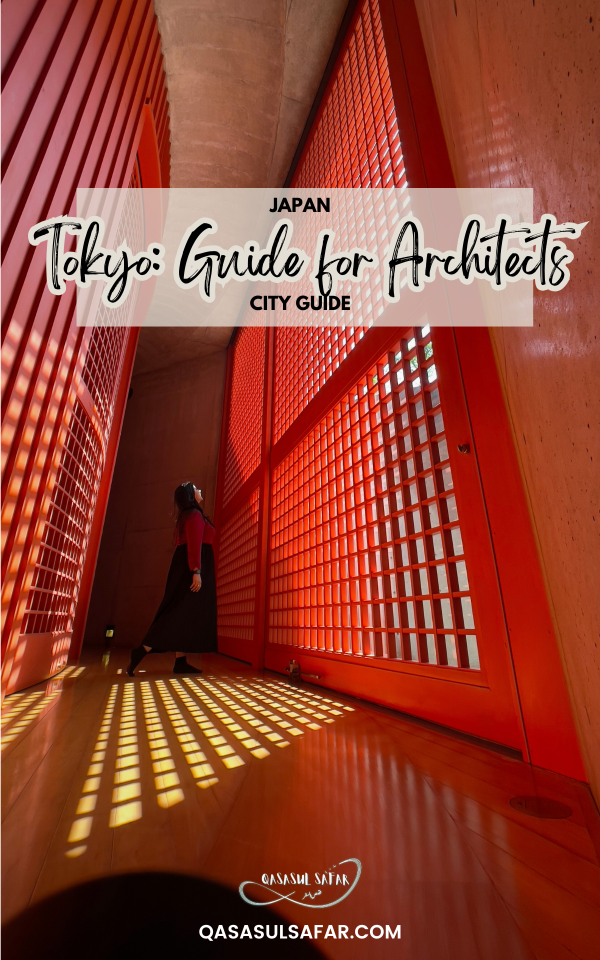
My First Impression of Tokyo
Hey, Fellow Architect and Travelers!
I landed in Tokyo via Narita International Airport and was welcomed with little rain and probably the first thing I encountered was the ease of airport itself. as I stepped out of airport via metro I was stunned passing through glass towers reflecting neon skies while, just a few blocks away, centuries-old wooden shrines stand quietly under cherry blossoms. That’s Tokyo — a city where architecture doesn’t just tell stories, it collides with them.
If you’re an architect, designer, or simply someone who feels alive in beautifully crafted spaces, Tokyo will overwhelm you in the best possible way.
Let’s dive into the details…
Why visit Tokyo for Architecture and Culture
Tokyo isn’t just another big city — it’s a living textbook of design. Here you’ll see:
- Traditional wooden shrines with centuries of craftsmanship.
- Metabolist icons by architects like Kenzō Tange, imagining futuristic megastructures.
- Sleek modern minimalism from Tadao Ando and Kengo Kuma.
- Sustainable innovations that make you rethink how cities should look in the 21st century.
Tokyo’s magic lies in its fusion of old and new. One moment you’re sipping tea in a tatami-lined teahouse, the next you’re under the shimmering steel curves of the Mode Gakuen Cocoon Tower.
This constant dialogue between past and future is what makes Tokyo unlike any city you’ve explored before.

Top 5 Must-Visit Architecture in City
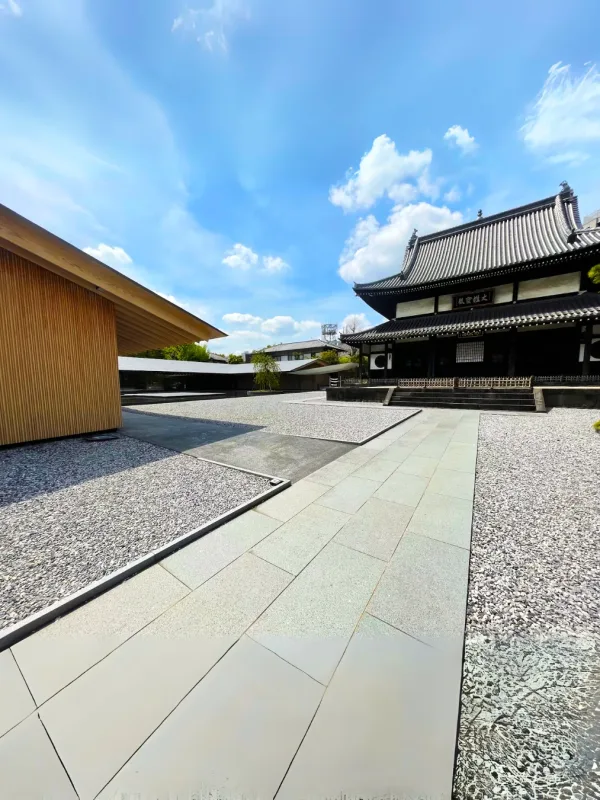
Zuishō-ji Temple
Tucked away in the quiet neighborhood of Shirokane, Zuishō-ji Temple is a peaceful retreat often overlooked by visitors rushing through Tokyo. Founded in 1670, this temple is the first official Obaku Zen temple in the city, a Chinese Zen Buddhist school that introduced distinctive architectural and artistic elements to Japan.
Unlike many larger, more crowded temples, Zuishō-ji maintains an intimate atmosphere with its beautiful gate, serene gardens, and understated wooden structures. It feels like a hidden sanctuary where you can slow down and appreciate the quiet harmony of traditional Japanese temple architecture. For architects, Zuishō-ji is significant because it shows the fusion of Chinese influences with Japanese sensibilities, creating a unique cultural footprint in Tokyo’s architectural history.
If you’re exploring beyond the major tourist sites, this temple offers a glimpse into a subtler side of Tokyo’s spiritual and architectural landscape.
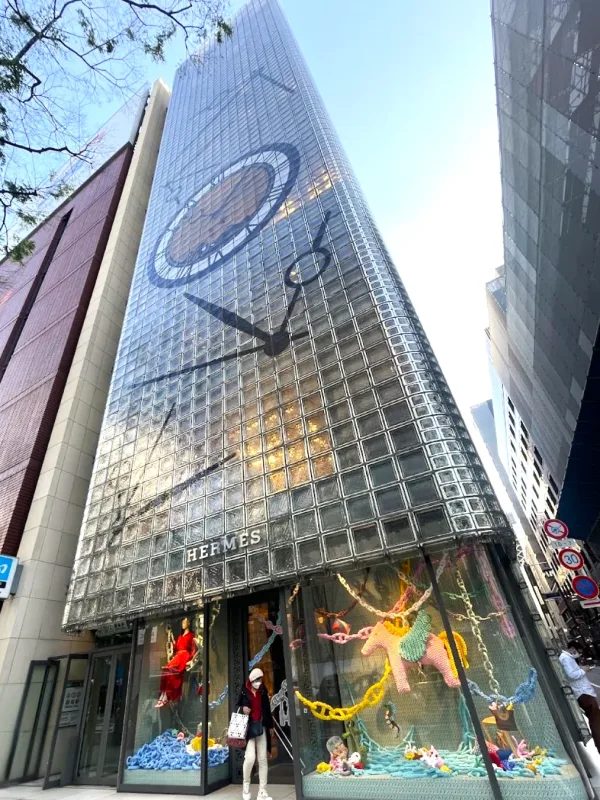
Hermès Building (Maison Hermès, 2001, Renzo Piano)
In the upscale district of Ginza, the Hermès Building — officially called Maison Hermès — stands as one of Tokyo’s most elegant modern structures. Designed by Italian architect Renzo Piano and completed in 2001, the building embodies the luxury brand’s philosophy of craftsmanship and refinement.
Its façade is composed of more than 13,000 glass blocks, creating a luminous, translucent curtain wall that glows softly during the day and radiates at night. Inside, the building functions as more than just a flagship store. It includes exhibition spaces, workshops, and a rooftop garden, blurring the line between commercial space and cultural hub. Piano’s design is minimalist yet poetic, echoing Tokyo’s love for subtle light and texture.
The Hermès Building is not just a shopping destination — it’s a work of architecture that transforms the experience of fashion into a dialogue with space, material, and light.
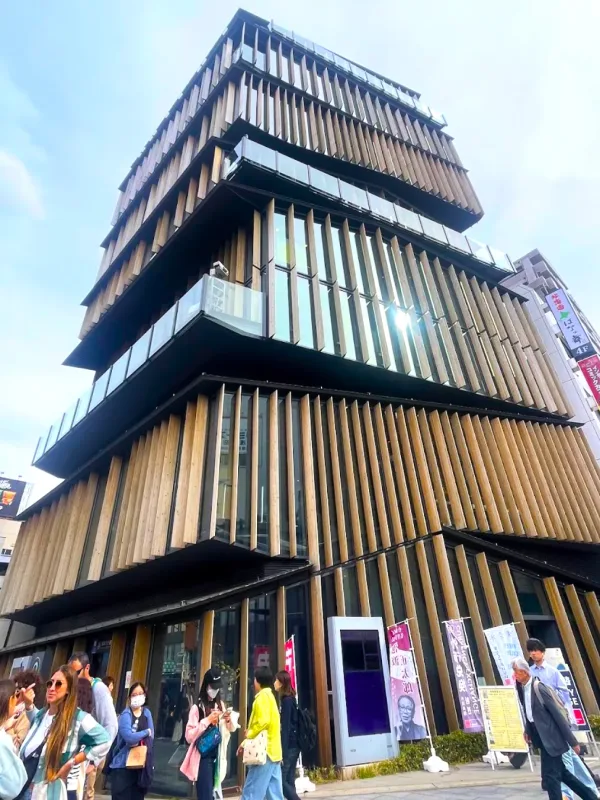
Asakusa Culture and Tourism Center (2012, Kengo Kuma)
At the entrance of Tokyo’s historic Sensō-ji district stands the Asakusa Culture and Tourism Center, designed by world-renowned architect Kengo Kuma. Completed in 2012, the building redefines what a “tourist center” can be. Kuma designed it as seven stacked “houses,” each floor resembling a traditional wooden home.
This vertical village blends seamlessly into the old streetscape while still feeling modern. Inside, visitors find information counters, exhibition spaces, and even a panoramic observation deck that offers one of the best views of the Asakusa neighborhood.
Kuma’s use of natural wood softens the building’s presence, making it a gentle companion to the historic surroundings. It’s more than a building — it’s an invitation to explore Tokyo’s dialogue between tradition and modernity.
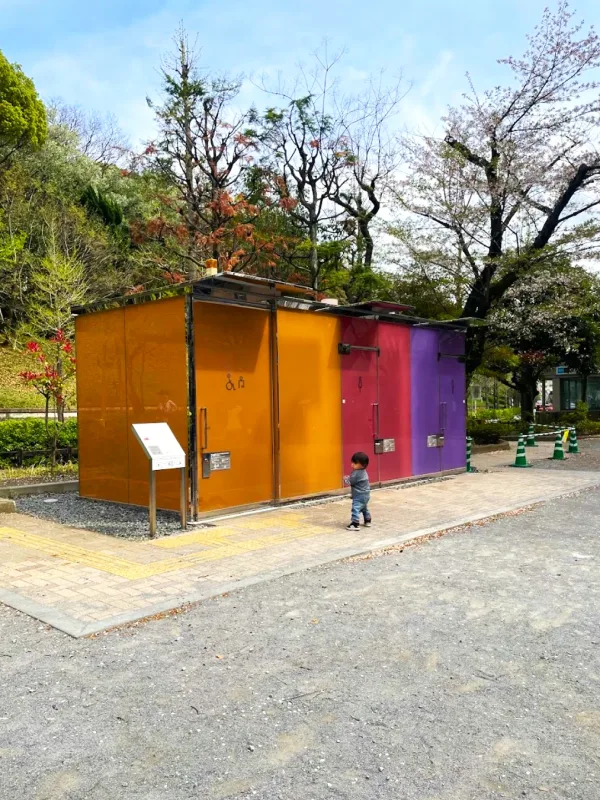
Tokyo Toilet Project (Ongoing, multiple architects)
The Tokyo Toilet Project is one of the city’s most unique architectural and cultural initiatives, rethinking something as ordinary as public restrooms into design masterpieces. Launched by The Nippon Foundation, the project invited world-renowned architects and designers, including Shigeru Ban, Kengo Kuma, and Tadao Ando, to reimagine public toilets in Shibuya’s parks and neighborhoods. The result is a collection of over a dozen restrooms that are not only functional but also aesthetically striking, safe, and inclusive.
One of the most famous is Shigeru Ban’s transparent toilet in Yoyogi Fukamachi Mini Park — the glass walls turn opaque when locked, merging technology with design to ensure both privacy and cleanliness. For architects and travelers alike, the Tokyo Toilet Project is a must-see — proof that in Tokyo, even the most mundane urban facilities can become world-class design statements.
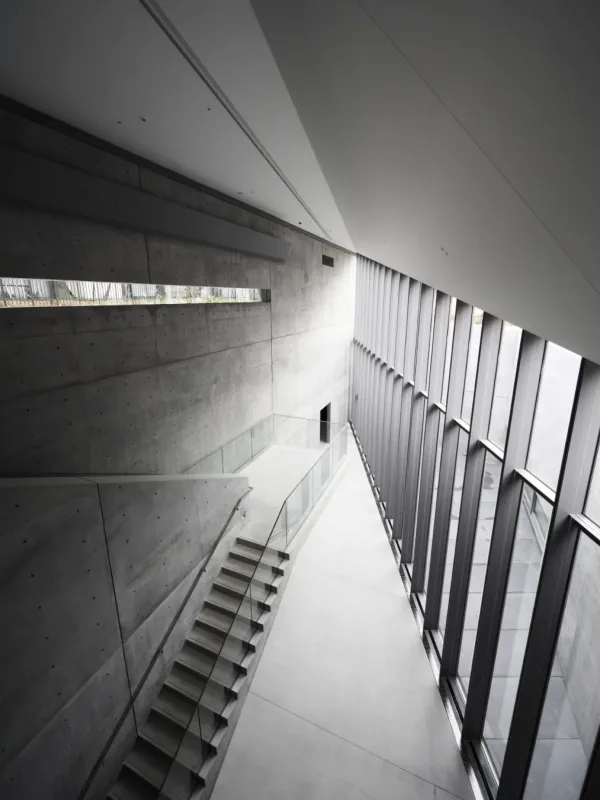
21 21 Design Sight (2007, Tadao Ando)
Nestled in Tokyo’s Roppongi district, 21_21 Design Sight is a cultural gem created by legendary architect Tadao Ando in collaboration with fashion designer Issey Miyake. Opened in 2007, this museum is dedicated entirely to design — not just architecture, but the broader world of creative innovation.
True to Ando’s style, the building features raw concrete walls, sharp lines, and masterful control of light. The roof appears to fold into the earth like a sheet of steel, inspired by the idea of a single piece of fabric being cut and shaped — a nod to Miyake’s design philosophy. Inside, exhibitions range from everyday objects to futuristic concepts, each displayed with thoughtful curation. The museum isn’t overwhelming in scale, but it leaves a deep impression.
Visiting feels like stepping into Ando’s sketchbook — where simplicity, silence, and beauty are given room to breathe.
Check out my Mini Guides and much more!!!
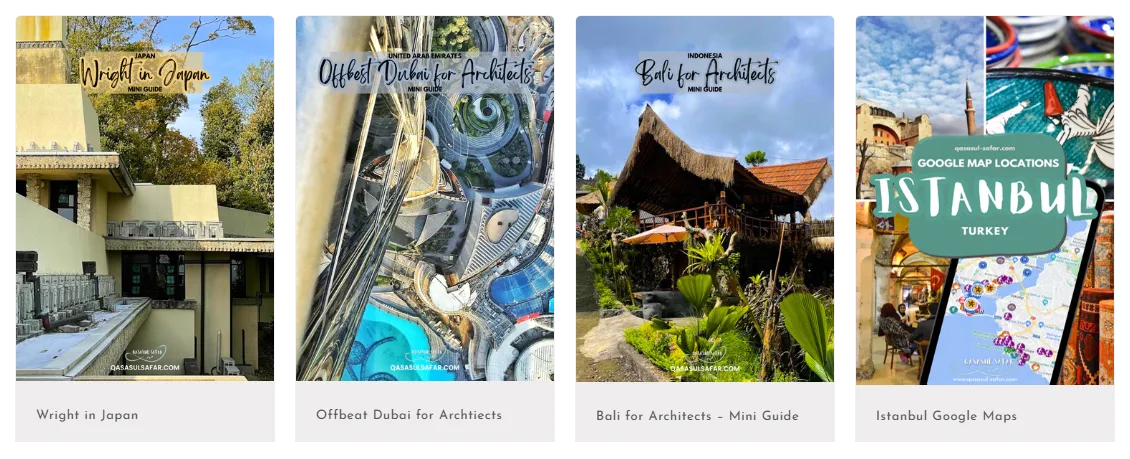
Bucket List Experiences in Tokyo
Tokyo isn’t just a city you visit — it’s a city you experience. Beyond the iconic landmarks and architectural gems, there are moments here that stay with you forever. From spiritual sanctuaries to futuristic towers and immersive digital worlds, Tokyo has a way of making you feel both grounded in tradition and propelled into the future. Here are three bucket-list experiences for architects and design lovers.
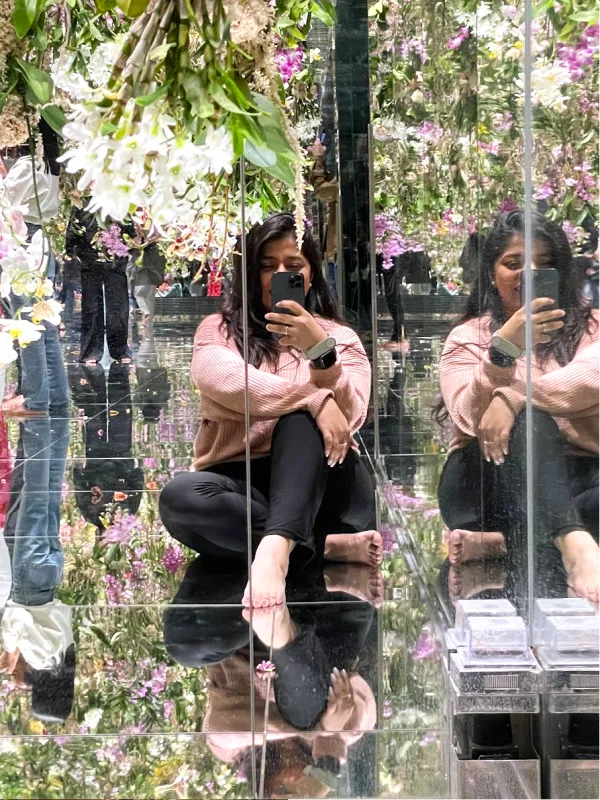
teamLab Planets
In Toyosu, teamLab Planets takes you inside living art. Barefoot, you wade through shallow pools, wander mirrored halls, and watch digital flowers bloom and scatter with your movement. This isn’t just art you look at — it’s art you feel. For architects and design lovers, it’s a reminder that space can be interactive, emotional, and alive.

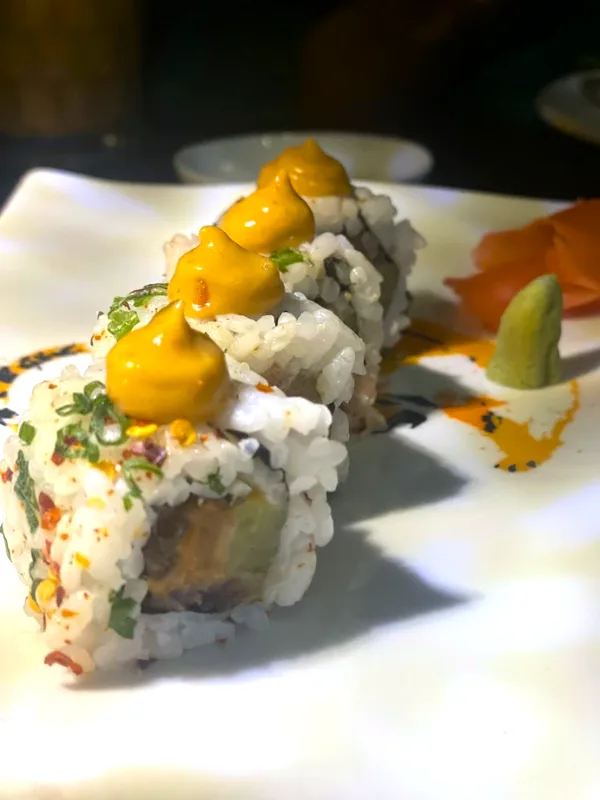
Learn to make Sushi!
Join a Tokyo sushi class and discover why sushi is far more than just food. Roll, slice, taste, and learn directly from master chefs who treat every movement like a performance and every plate like a canvas. It’s an intimate look into centuries of craftsmanship, tradition, and precision. More than a meal, it’s a cultural immersion — a chance to carry a piece of Japanese artistry home with you.
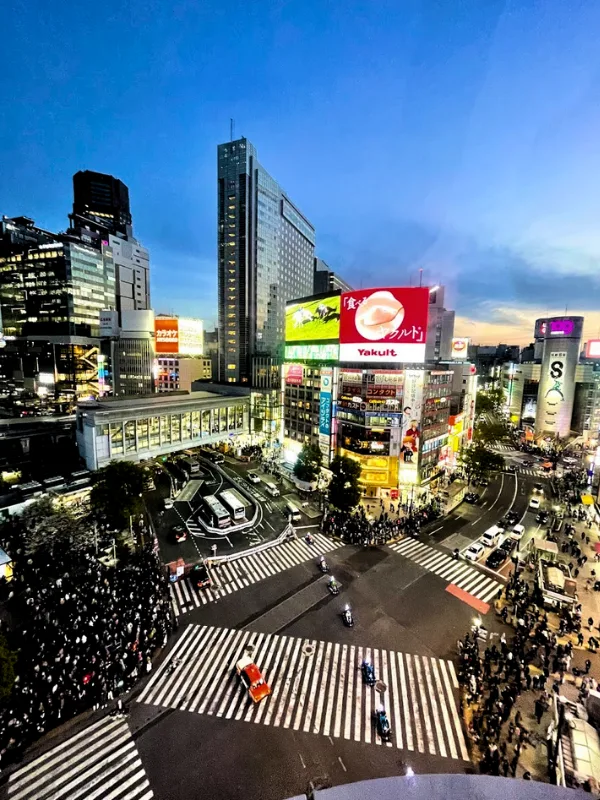
Cliché but Shibuya Crossing is a must!
They say you haven’t really felt Tokyo until you’ve stood at Shibuya Crossing — the busiest pedestrian scramble in the world. But instead of weaving through the crowd, head up to Mag’s Café at MAGNET by Shibuya109. From here, you get a bird’s-eye view of the organized chaos below: hundreds of people streaming across from every direction, neon lights bouncing off buildings, and the pulse of the city in full display.
 Get My Curated Itineraries and Downloadable Google Maps
View this post on Instagram
Most “Instagramable” places in Tokyo: Best Aesthetic Spots
Tokyo spoils design lovers with its cultural spaces, Architects, don’t forget your sketchbook — these spaces are fuel for creativity. For a full list of 20+ cafés, museums, and bookstores, you can grab my Tokyo Aesthetic Spots Guide. Here’s a few you should not miss!
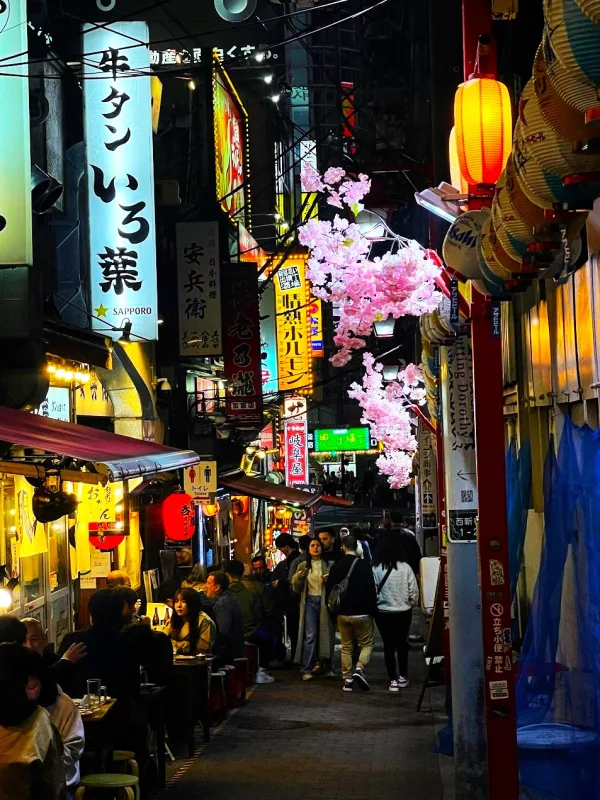
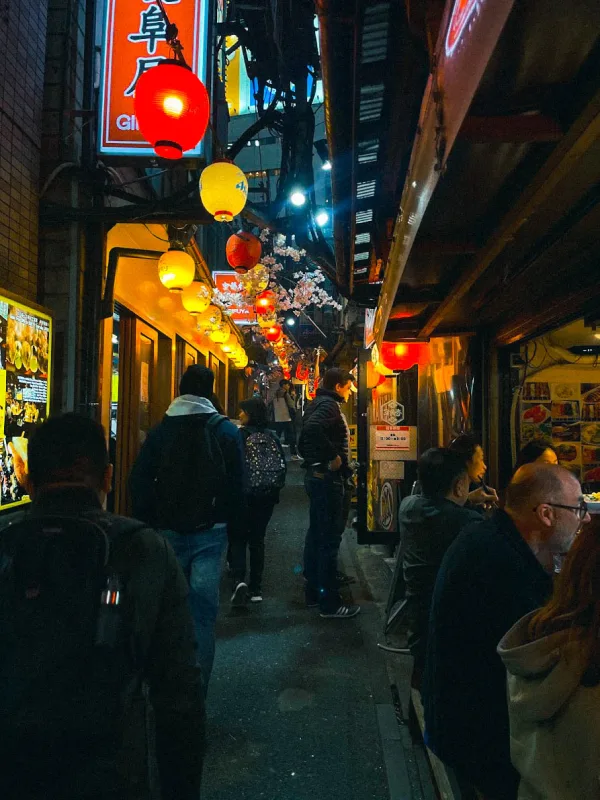
Omodie Yokocho
Omoide Yokocho is a narrow alleyway packed with lantern-lit izakayas & smoky yakitori stalls. At night, the entire street glows under neon signs & warm lanterns, creating a retro, cinematic atmosphere that feels straight out of a film set. It’s not only a food lover’s paradise but also one of Tokyo’s most Instagrammable spots, every corner a snapshot of nostalgia, color, and vibrant city life.
Onibus Cofee – A sweet little coffee spot in Meguro City, Tokyo
Shibuya Sakura Festival
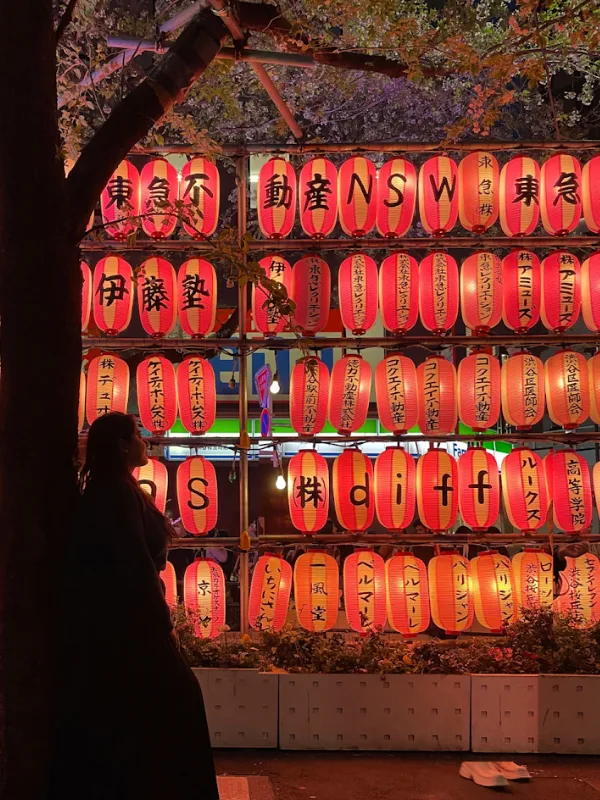
Cherry blossom season in Tokyo doesn’t end when the sun goes down. Just five minutes from Shibuya Station’s west exit, Sakurazaka offers a magical night-time experience. This street is lined cherry trees, glowing softly under pink illuminations. Don’t miss the Shibuya Sakura Festival where food and live performances bring the celebration to life during cherry blossom.
Nezu Museum – One of the most beautiful museums in Tokyo
Onibus Coffee
Onibus Coffee in Tokyo isn’t just about great brews. This post-war building is about atmosphere. With its minimalist wood-and-concrete design, tucked railway-side location, and perfectly plated cups, every angle is photo-worthy. Warm light, cozy corners, and modern Japanese aesthetics make it one of Tokyo’s most Instagrammable coffee stops for design lovers.
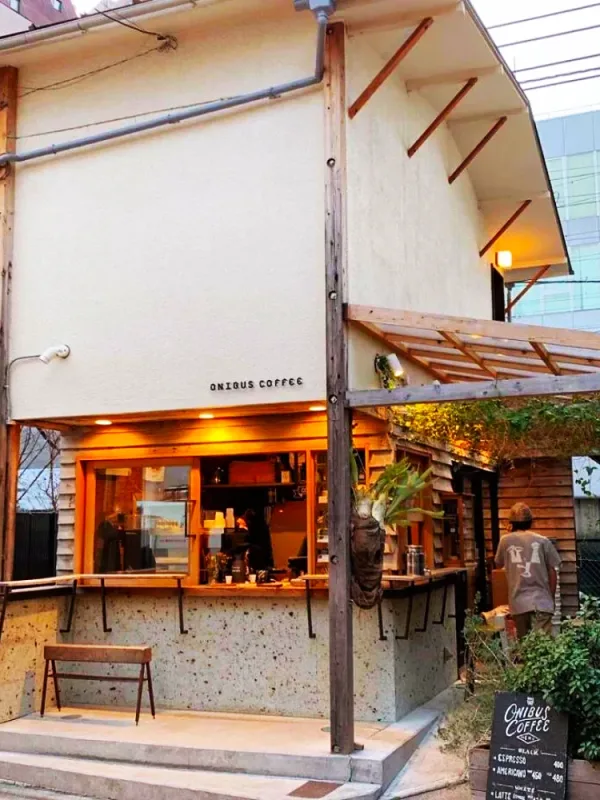
Onibus Cofee – A sweet little coffee spot in Meguro City, Tokyo
Nezu Museum
The Nezu Museum is a dream for Instagram lovers — Kengo Kuma’s minimalist design, glass walls opening to lush gardens, and serene pathways create endless photo moments. From bamboo-lined entrances to art-filled interiors, every corner blends nature and architecture, making it one of Tokyo’s most photogenic cultural landmarks.
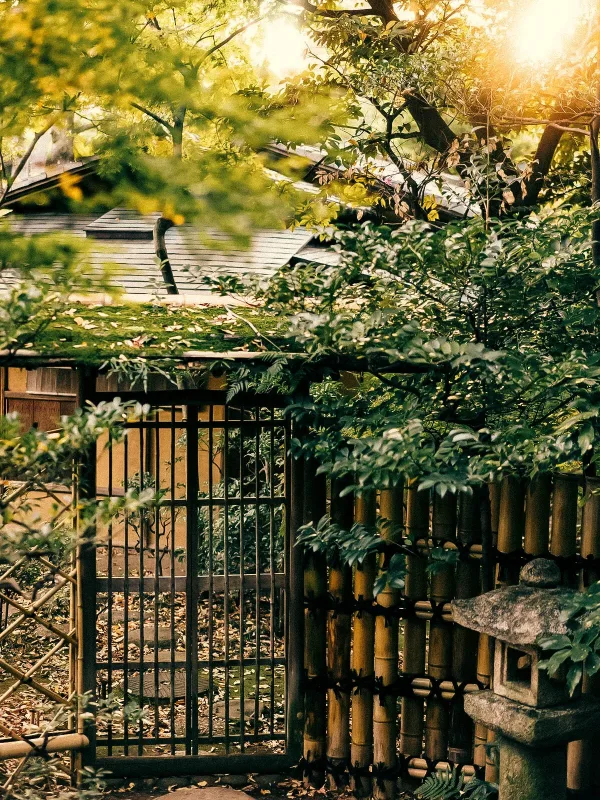
Nezu Museum – One of the most beautiful museums in Tokyo
Get My All Exclusive Itinerary spreadsheet, and get started immediately, it has everything you need to organize your travel!
Walking tour of Tokyo Architecture
Can you really admire architecture without wandering the streets, sketching details, and capturing those sparks of inspiration? its got to be the best way to experience Tokyo’s architecture – On foot. Each step reveals a new layer of the city.
I’ve built a Google Map for Architects in Tokyo, where you can follow self-guided routes and never miss a landmark. You can get it here.
Here are a few walking routes to help you discover the very best of Tokyo’s architecture.
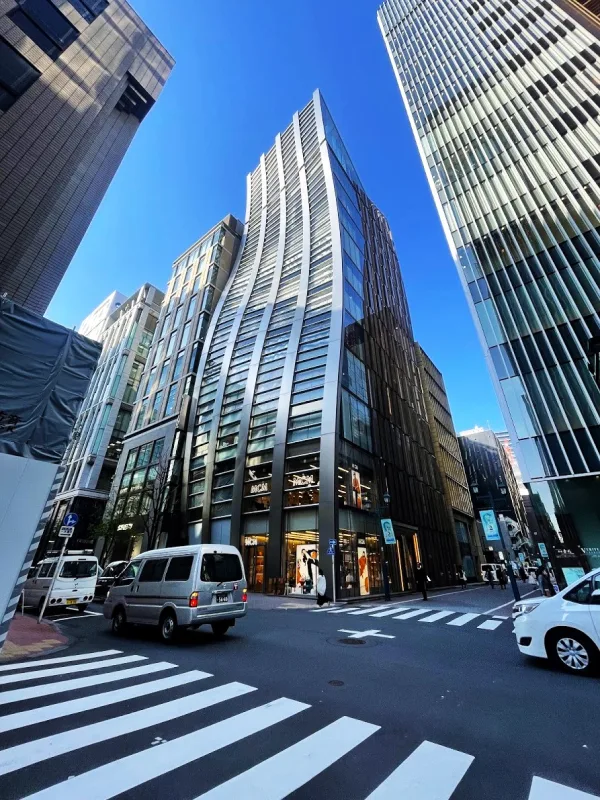
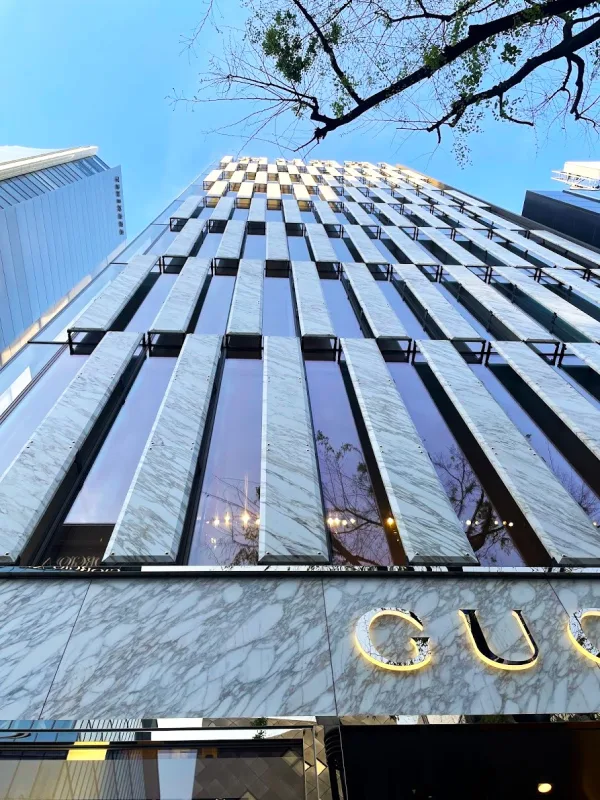
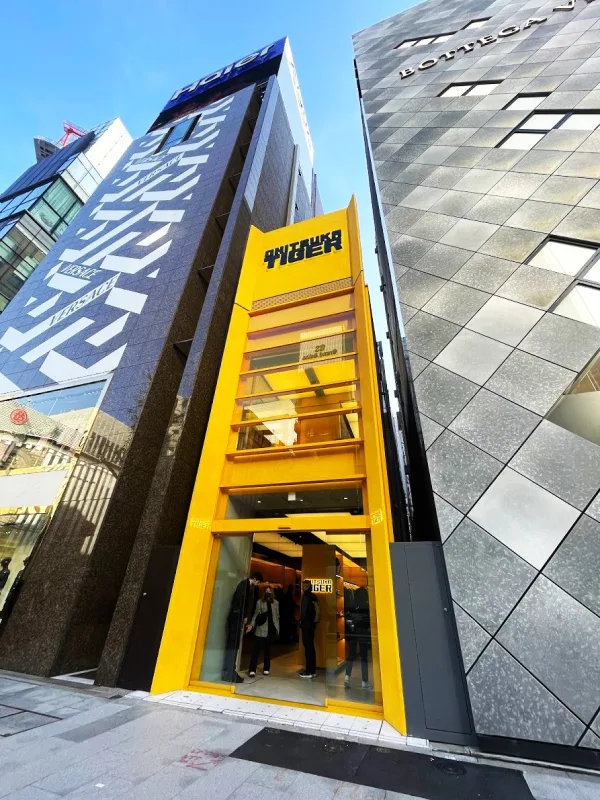
Ginza, Chou City
Amazing contemporary architecture, Ginza is the place to the best of innovation come together!
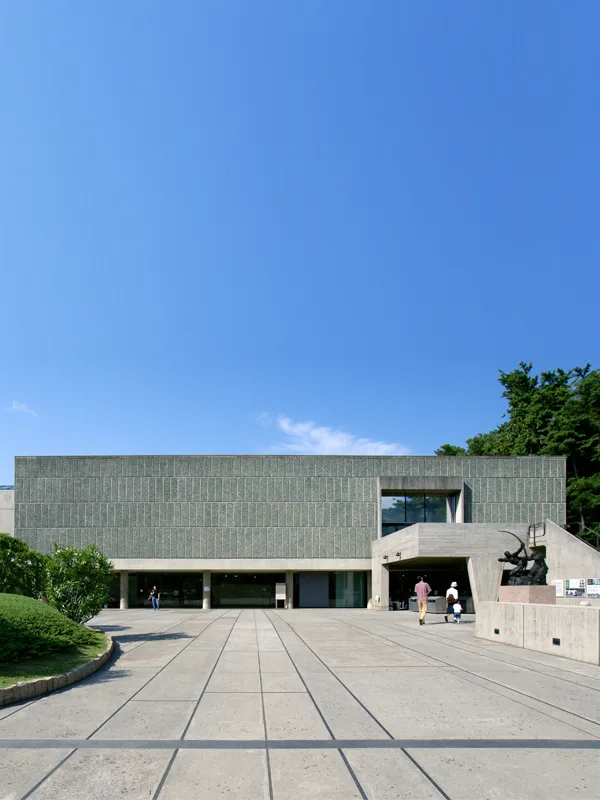
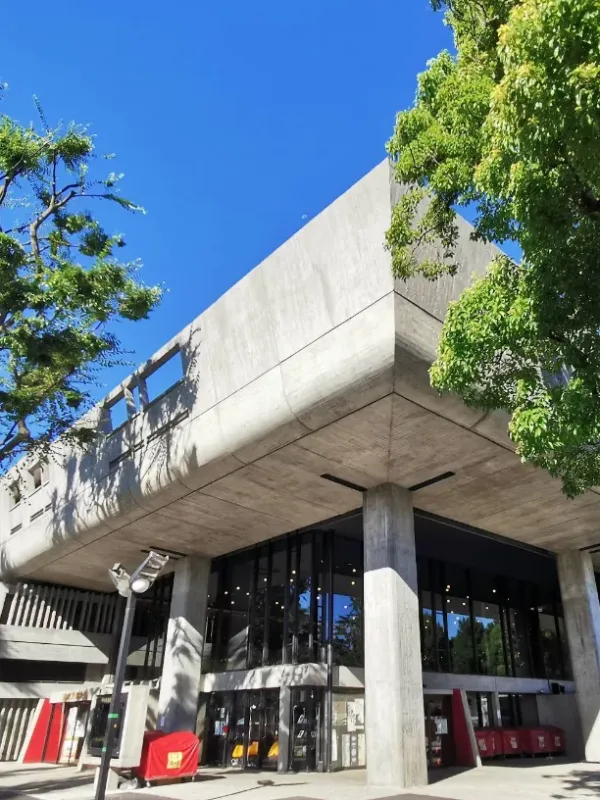
Ueno Park
Godzilla Road, Shinjuku
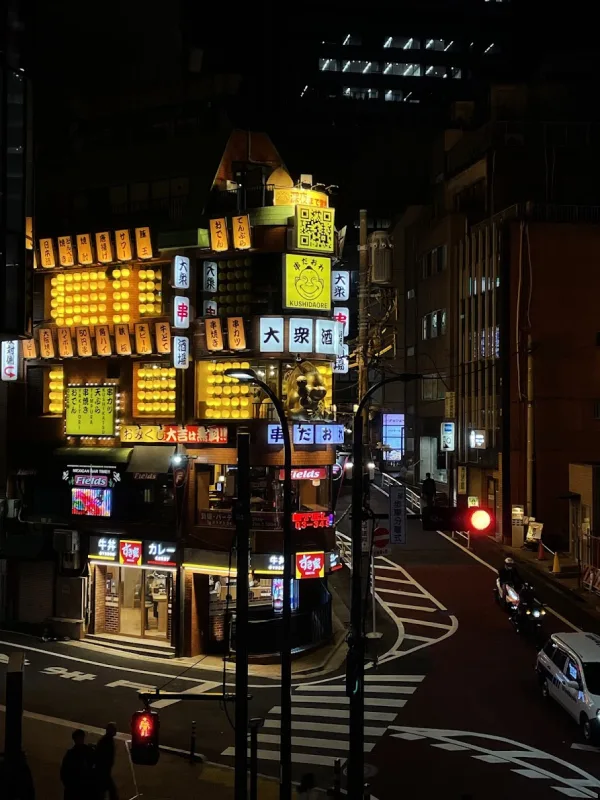
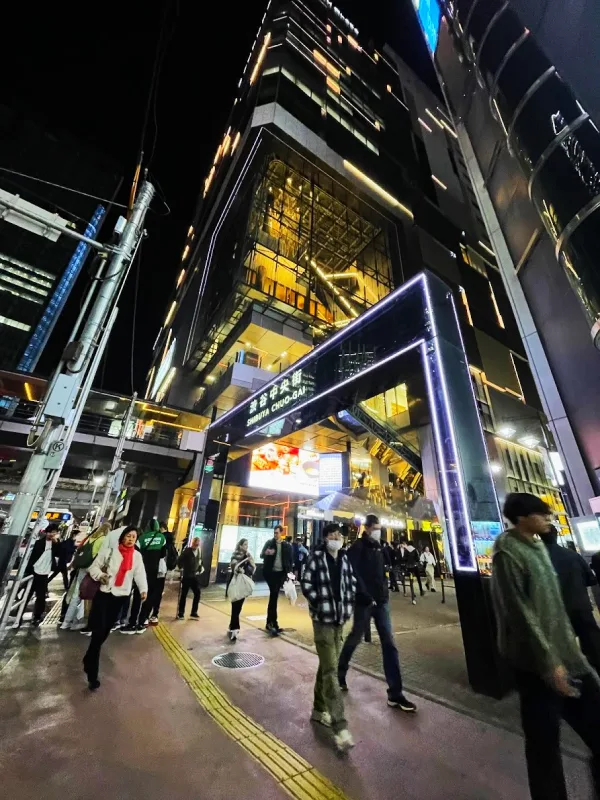
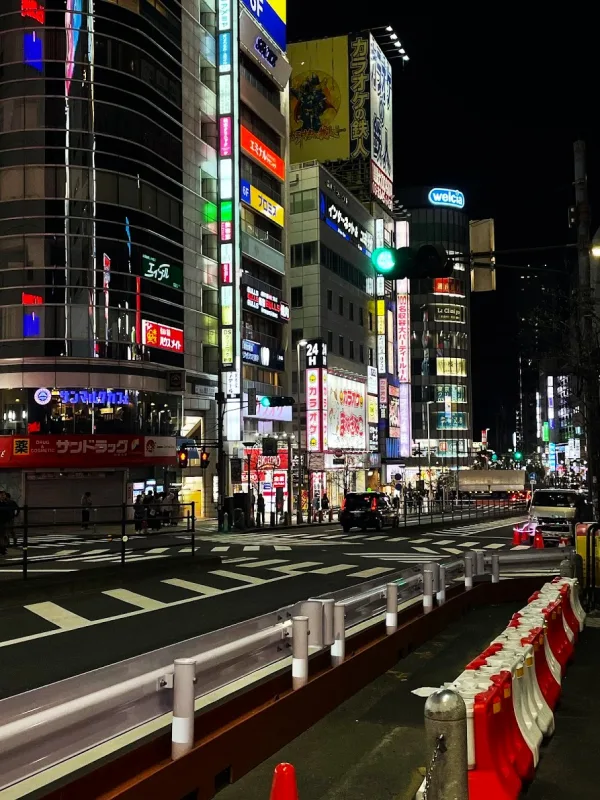
Pro Tip: Go there at Night, Lights will charm you like anything!
If you need detailed Maps check out Google Map Collection and much more!!!
Bonus!! Culture Beyond Architecture
Food
A coffee plantation tour in Bali is more than just a visit—it’s an experience that connects you with the island’s culture and its deep-rooted coffee tradition. From wandering through the lush plantations and learning about the meticulous harvesting process to tasting the unique Luwak coffee, every part of the tour is fascinating.
- Blend in food, neighborhoods, museums, hidden alleys.
- Frame it as architectural experiences: “This café feels like a Bauhaus sketchbook came alive.”
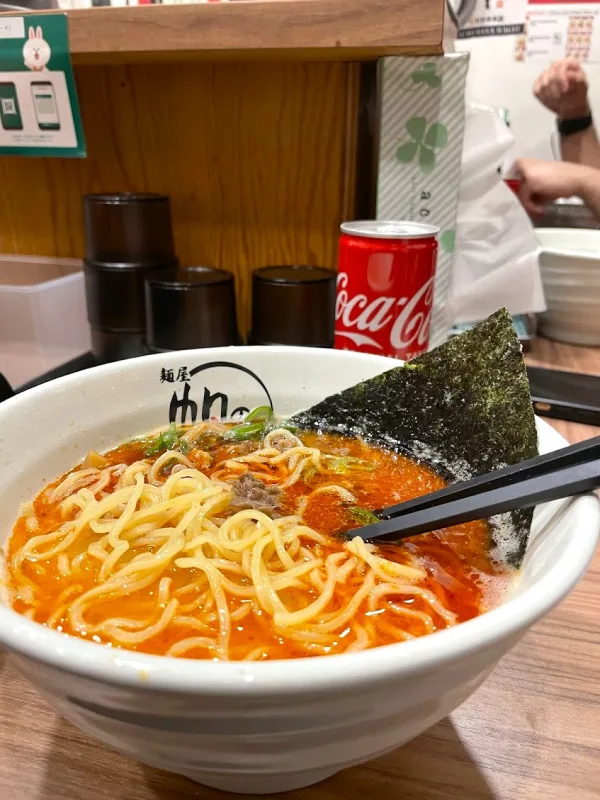
Halal Ramen Honulu – A solo-dining booth ramen experience that feels almost architectural in its design, its not just food its a complete experience.
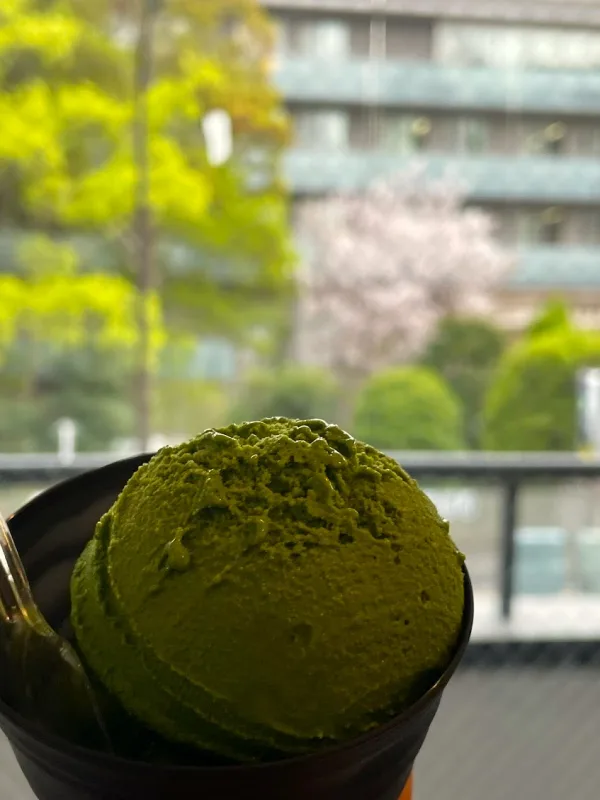
Suzukien Asakusa – home to the world’s richest matcha gelato, with seven shades of green tea intensity that architects of flavor will love.
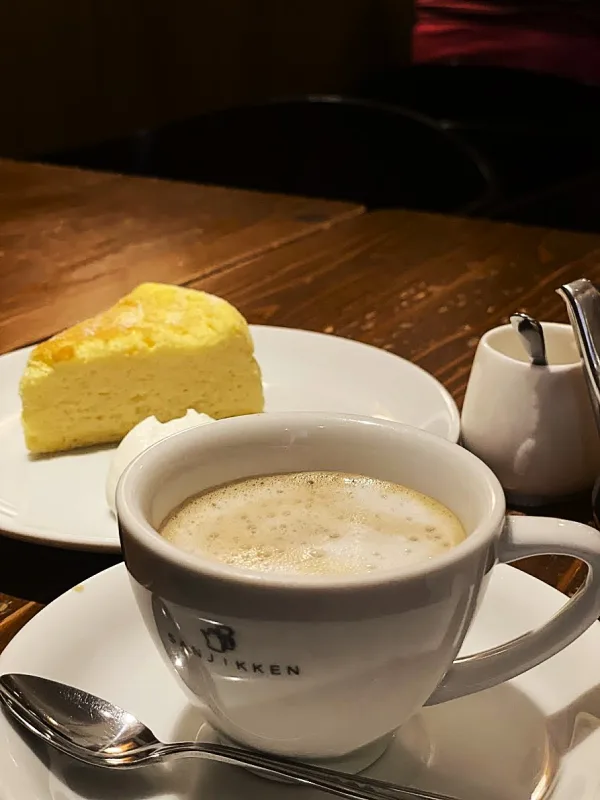
Sanjikken Coffee House in Ginza — is a must stop, they offer coffee beans from around the world, you also get to keep the bean, dont forget thier cheese cake too
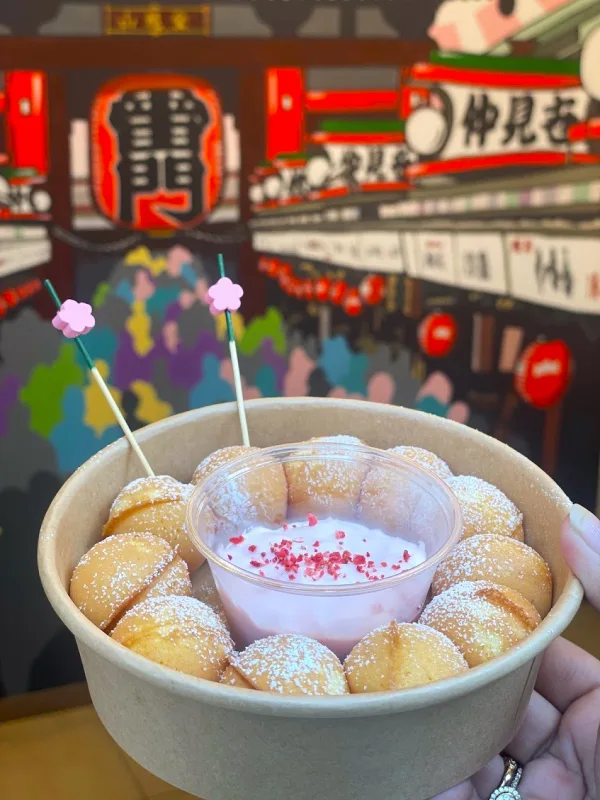
Sweet stop in Asakusa’s Sensō-ji lanes – fluffy bubble waffles with sakura cream, the perfect blend of snack and art.
Practical Tips for Exploring Tokyo
- Best time to visit: Spring (cherry blossoms) or autumn (golden ginkgo trees).
- Getting around: Metro is your best friend; stations are architectural gems too.
- Where to stay: Shinjuku for the energy, Asakusa for tradition, or Daikanyama for design vibes.
- Lesson learned: Tokyo is massive — don’t try to see it all. Focus, savor, sketch.
Love what you’re reading? Come join our incredible travel tribe and let’s keep the motivation flowing! I’m your virtual travel BFF, here to guide you through every step of this adventure
Tokyo is more than a city. It’s a conversation between wood and steel, past and future, silence and neon. Whether you’re an architect, student, or simply someone who loves design, Tokyo will leave you changed.
If you want to dive deeper into Tokyo’s architectural side — with curated itineraries, maps, checklists, and hidden gems — I’ve created exclusive digital city guides for architecture lovers. You can explore them at Qasasul Safar Shop They’ll make your journey smoother, richer, and unforgettable.
I have detailed blog on Japan, which explores all the practicalities and processes.
If you enjoyed reading this, Sign Up to my Newsletter and become the part of our travel tribe!
Subscribe to our YouTube Channel and hop onto the adventure!


